Goal 3 - Good Health and Well-Being
Yoga and Good Health: A Path to Well-Being for All
ಇನ್ನಷ್ಟು ಓದಿ

Yoga and Good Health: A Path to Well-Being for All
ಇನ್ನಷ್ಟು ಓದಿ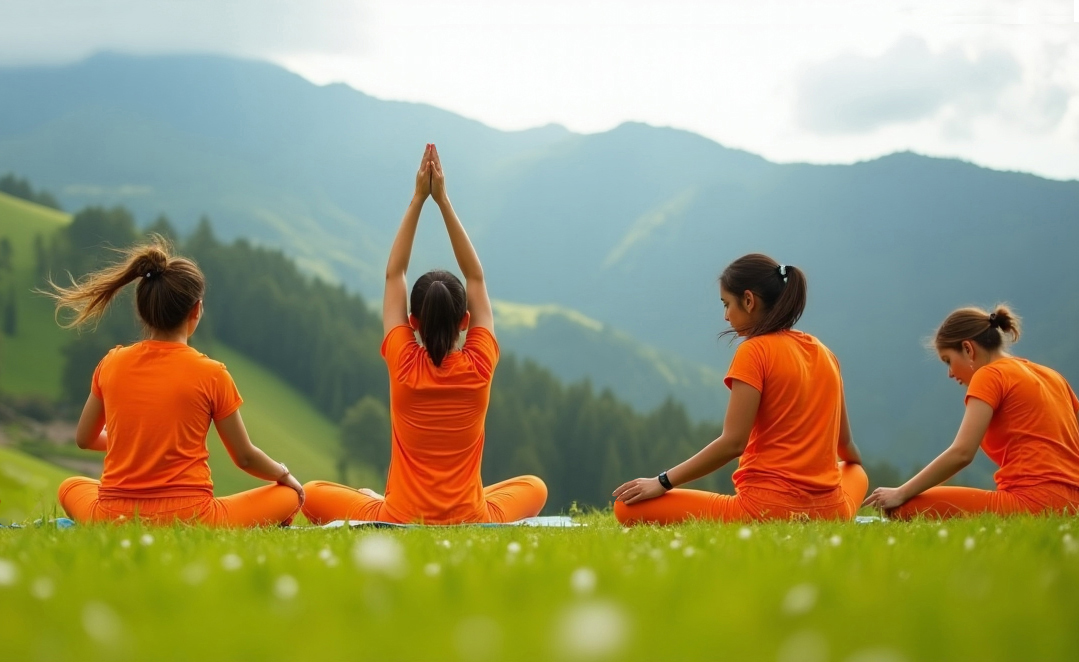
Yoga and Good Health: A Path to Well-Being for All
The Foundation of a Healthy Life
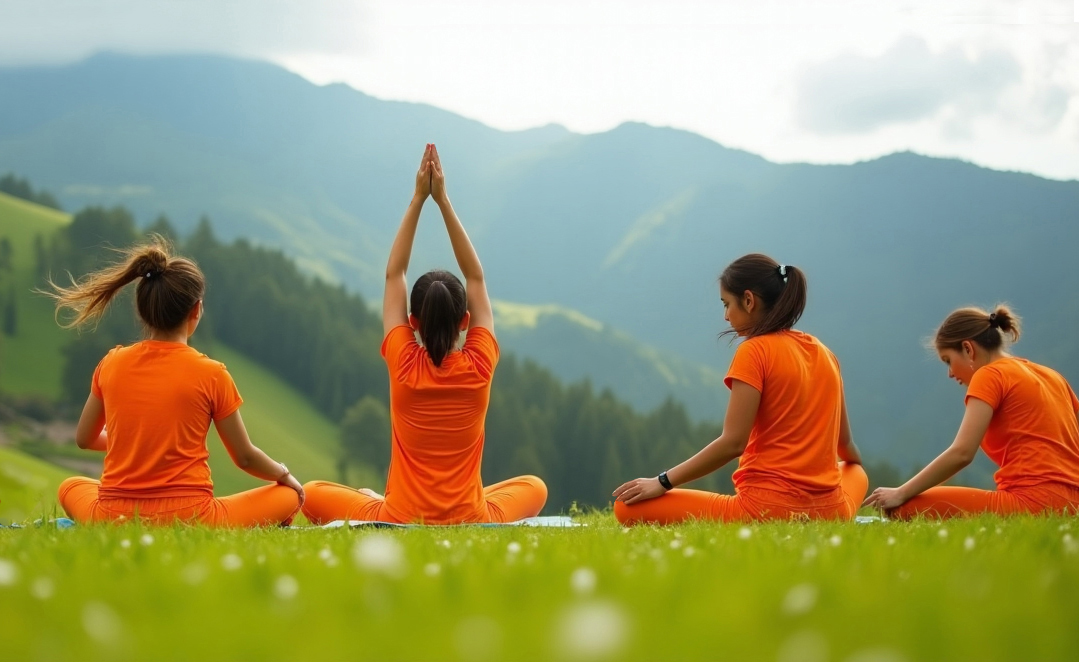
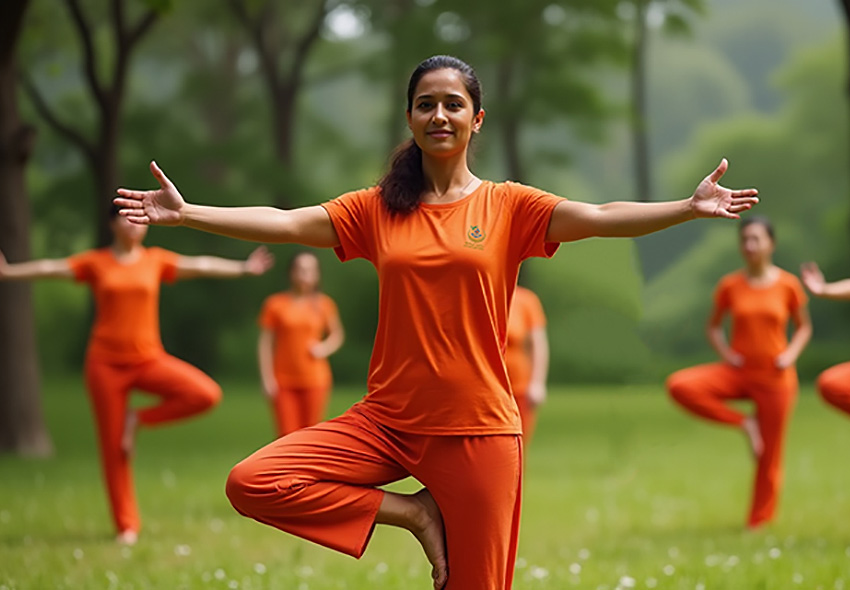
Good health is more than the absence of disease — it includes physical strength, emotional balance, mental clarity, and social harmony. Today, children and communities face many health challenges, including poor nutrition, stress, anxiety, and limited access to wellness education. Traditional yoga, with its time-tested methods, offers holistic solutions that promote lifelong well-being. Through breath, movement, and mindful living, yoga builds a strong foundation for health across all ages.
Ancient Practice for Modern Challenges
Yoga originated thousands of years ago as a complete lifestyle system. Unlike modern fitness routines that focus only on the body, traditional yoga integrates mind, body, breath, and spirit. In today’s fast-paced world where children are exposed to screens, pollution, and pressure, yoga provides grounding practices that calm the mind, improve focus, reduce anxiety, and build emotional resilience. Its relevance today is stronger than ever.
Empowering Children and Youth
Children and adolescents are at a critical stage of development, and early habits shape their future health. Yoga encourages physical activity, positive body image, and emotional regulation. In schools, integrating yoga sessions helps students improve concentration, manage emotions, and build healthy routines. Youth who practice yoga are more likely to avoid risky behaviors and grow into mindful, responsible adults.
Community Safeguarding through Collective Wellness
When communities embrace yoga, they promote not just individual health, but collective well-being. Community yoga sessions foster unity, empathy, and shared responsibility. They offer safe spaces for healing, learning, and connection — especially in marginalized or underserved areas. By teaching yoga in rural centers, youth clubs, and women’s groups, we create local systems of care that safeguard the physical and mental health of everyone.
Yoga for the Vulnerable: Bridging Health Gaps
Access to health services is unequal in many parts of the world. Traditional yoga can help bridge this gap. In low-resource settings, yoga offers a free, non-invasive, and preventive approach to managing issues like hypertension, diabetes, trauma, and depression. For children in crisis or post-conflict zones, yoga brings calm, healing, and hope — often where formal healthcare cannot reach.
Global Reach with Local Roots
From rural India to urban Europe, traditional yoga has spread across every continent. National yoga movements, regional festivals, and international collaborations — such as the International Day of Yoga — demonstrate its universal appeal. The World Yoga Association works with schools, NGOs, and cultural centers worldwide to promote yoga for well-being. Through local teachers and youth leaders, the message reaches deep into villages, towns, and cities.
Science Meets Tradition
Scientific research supports what yogis have known for centuries: yoga improves flexibility, boosts immunity, lowers stress, enhances sleep, and supports heart and brain health. Practices like pranayama (breathwork) and asana (postures) stimulate the nervous system and regulate hormones. Mental health professionals now use yoga therapy for managing trauma, ADHD, and anxiety — especially among children and adolescents.
Yoga and the UN Sustainable Development Goals (SDGs)
Traditional yoga directly supports SDG 3: Good Health and Well-Being. But it also strengthens SDG 4 (Quality Education), SDG 5 (Gender Equality), and SDG 11 (Sustainable Cities and Communities). When yoga is integrated into education, healthcare, and public spaces, it uplifts entire populations. The World Yoga Association aligns its programs with these goals to ensure inclusive, equitable, and sustainable health practices for all.
Vision 2050: A Healthier World Through Yoga
By the year 2050, the world’s youth will shape the future of health and sustainability. Our vision is to make traditional yoga a core part of every child’s life — not as a luxury, but a right. With structured programs, trained community leaders, and digital access, we aim to create a global culture of health rooted in awareness, prevention, and empowerment. Yoga will become not just an activity, but a way of life that strengthens families and communities everywhere.
Breathing Life into the Future
A single breath can calm the mind. A single posture can energize the body. And a single moment of awareness can change a life. Yoga teaches us that health begins within — and spreads outward through compassion, discipline, and service. Whether you are a child learning your first pose or a grandparent leading a community session, yoga invites everyone to take part in building a healthier, kinder, and more balanced world.
Yoga and Quality Education: A Path to Lifelong Learning for All
ಇನ್ನಷ್ಟು ಓದಿ
Yoga and Quality Education: A Path to Lifelong Learning for All
Learning That Shapes Life
Education is more than reading books or passing exams — it’s about growing with purpose, awareness, and compassion. Today, many children around the world face barriers to quality learning: stress, poor concentration, lack of access, and unsafe environments. Traditional yoga offers a time-tested, non-academic tool to help children and communities build strong foundations for learning through calm minds, healthy bodies, and focused hearts.
Ancient Roots for Modern Classrooms
Yoga began thousands of years ago as a way to know oneself. It includes posture (asana), breath (pranayama), ethics (yamas and niyamas), and focus (dharana). These elements naturally support education by improving memory, attention, discipline, and self-regulation. In today's fast-moving digital world, yoga helps students stay grounded and manage distractions — key to success in school and life.
Helping Children Bloom
Every child learns differently. Yoga provides gentle tools that meet diverse needs — from hyperactivity to low self-esteem. Simple breathing or stretching helps children manage emotions, reduce test anxiety, and increase self-confidence. When introduced in classrooms, yoga makes learning joyful and safe, especially for children facing trauma, disabilities, or social pressures. A calm student learns better.
Empowering Educators and Families
Teachers, parents, and caregivers are the first educators. When they practice yoga, they become more patient, balanced, and attentive. This creates nurturing environments where children feel supported. Training teachers in yoga methods helps them use movement and mindfulness to enrich lessons, manage classrooms, and guide students with care. Families who practice yoga together strengthen emotional bonds and shared learning.
Community Classrooms Beyond Schools
Not every child has access to formal education, especially in rural, conflict, or impoverished areas. Community yoga centers, youth clubs, and local temples can become spaces for informal education using yoga. Here, children learn focus, values, and healthy habits — even without textbooks. Yoga becomes a bridge where education begins with self-awareness and extends to community well-being.
Inclusive Learning for All Ages
Yoga respects all learners — regardless of age, ability, or background. From toddlers to teens, and from special needs children to dropouts, yoga offers ways to re-engage with learning. Practices like storytelling yoga, movement games, and mindful sitting can be adapted for different age groups and cultures. This flexibility supports the SDG 4 vision: inclusive and equitable education for all.
Safeguarding Traditional Knowledge
Traditional yoga is a heritage passed through generations. Teaching it responsibly protects its depth and meaning. When schools and communities adopt yoga, they must do so with respect for its roots in Indian culture and languages like Sanskrit and Tamil. The World Yoga Association works globally to preserve and promote yoga’s original teachings, ensuring that students receive authentic and culturally aware education.
Yoga and the UN Sustainable Development Goals (SDGs)
Yoga supports SDG 4: Quality Education by fostering emotional, mental, and physical readiness for learning. It also strengthens related goals: SDG 3 (Good Health), SDG 5 (Gender Equality), SDG 16 (Peace and Justice), and SDG 17 (Global Partnerships). When integrated into schools, communities, and global policies, yoga becomes a tool for holistic learning and peaceful living.
Vision 2050: Educating Hearts and Minds
By 2050, we aim for every child to learn yoga as part of their daily education — not just as exercise, but as a way to know themselves and the world. With proper training, curriculum development, and international cooperation, yoga can become a pillar of lifelong learning. The World Yoga Association envisions a world where traditional yoga shapes future generations into wise, compassionate, and balanced human beings.
A World Where Learning Never Ends
Education doesn’t stop at the school gate — it continues through every breath, choice, and connection. Yoga teaches children to ask questions, care for others, and grow with grace. Whether on a mat or in a classroom, traditional yoga helps us become better learners and better people. Let us walk this path together — where learning is joyful, deep, and truly transformative for all.
Yoga and Gender Equality: A Balanced Future for All
ಇನ್ನಷ್ಟು ಓದಿ
Yoga and Gender Equality: A Balanced Future for All
Building Harmony Through Equality
Gender equality is not just a goal — it’s the foundation of a fair and peaceful world. Yet even today, millions of girls, women, and gender-diverse people face discrimination, lack of opportunity, and social pressures. Traditional yoga, with its ancient wisdom and inclusive values, teaches balance — within the body, mind, and society. It inspires respect for all beings and empowers every individual to realize their full potential, regardless of gender.
Yoga’s Core Values Support Equality
Yoga is rooted in principles like non-violence (ahimsa), truth (satya), and self-discipline (tapas). These teachings naturally promote kindness, mutual respect, and dignity — essential to achieving gender equality. Through regular practice, yoga cultivates inner strength and self-worth, helping people, especially young girls, overcome fear, shame, and internalized bias. Boys and men, too, learn to become allies by practicing compassion and awareness.
Empowering Girls Through Traditional Practice
In many cultures, girls face early marriage, limited education, or poor health. Yoga gives them tools to take control of their bodies and minds. Practices like asana (postures), pranayama (breathwork), and meditation support physical health, emotional balance, and confidence. Community-based yoga for girls can increase school attendance, delay early marriage, and improve mental health — giving them a chance to dream, learn, and lead.
Boys as Partners in Equality
True gender equality is not about one group rising over another — it’s about shared growth. Yoga encourages boys to develop emotional intelligence and understand the value of equity. In schools and youth clubs, boys who practice yoga are more likely to be mindful, respectful, and non-violent. By reshaping how boys view gender roles, we build a generation of responsible, kind, and supportive men.
Safe Spaces for All
Yoga creates safe spaces where individuals can express themselves without fear or judgment. This is especially important for survivors of violence or those from LGBTQIA+ communities. With proper training, yoga instructors can facilitate healing sessions for women’s groups, shelters, or marginalized communities. These practices help people process trauma and reclaim a sense of dignity and safety — supporting community safeguarding efforts worldwide.
Global Reach, Local Empowerment
From African villages to Asian cities, and from European schools to Latin American community centers, traditional yoga is being used to uplift voices and bridge divides. NGOs and local leaders are now introducing yoga as part of gender education and empowerment programs. The World Yoga Association supports national and regional collaborations, ensuring cultural sensitivity while promoting universal values of equality and respect.
Aligning with the SDGs
Traditional yoga supports SDG 5: Gender Equality directly by promoting empowerment and inclusion. It also supports SDG 3 (Good Health), SDG 4 (Quality Education), SDG 10 (Reduced Inequalities), and SDG 16 (Peace, Justice, and Strong Institutions). By integrating yoga into schools, community programs, and healthcare systems, we build more inclusive societies — where every child, girl or boy, can thrive equally.
Vision 2050: Balanced Generations
Looking ahead to 2050, the goal is not only gender equality on paper, but lived equality in homes, schools, and communities. By training more women as yoga teachers and community leaders, and involving boys and men in holistic practices, we create environments where equality becomes the norm. The World Yoga Association aims to reach every continent with this message — empowering children today to become inclusive leaders of tomorrow.
Yoga for a Just and Kind World
At its heart, yoga is unity — of breath, body, mind, and society. When practiced with awareness and inclusivity, it becomes a tool for justice and healing. Whether you are a girl discovering your voice, a boy learning to respect, or a teacher guiding both, yoga offers a path to equality that starts from within and spreads across the world. Together, through traditional yoga, we can build a future where everyone stands equal, strong, and free.
Yoga and Decent Work: Creating Economic Growth Through Inner Balance
ಇನ್ನಷ್ಟು ಓದಿ
Yoga and Decent Work: Creating Economic Growth Through Inner Balance
Empowering People, Strengthening Economies
Economic growth must include everyone — not just in jobs, but in dignity, opportunity, and well-being. As the world faces rapid changes in work environments, youth unemployment, and mental health issues, traditional yoga offers more than wellness. It provides life skills, discipline, resilience, and a pathway to meaningful work. Yoga empowers individuals and communities to grow — not only economically but holistically, aligning closely with UN SDG 8: Decent Work and Economic Growth.
Workforce-Ready from Within
Traditional yoga builds the qualities most needed in today’s workforce: focus, emotional stability, adaptability, and interpersonal harmony. From children in schools to young adults entering the job market, yoga instills self-confidence, stress management, and strong values. These soft skills are essential for success in any career. By including yoga in education and job-readiness programs, we prepare youth to meet the challenges of a fast-changing world.
Entrepreneurship and Economic Opportunities
Yoga itself creates jobs. As more people seek physical and mental well-being, demand for trained yoga teachers, wellness coaches, therapists, and retreat facilitators is growing worldwide. This opens pathways for both urban and rural youth, especially women, to become certified professionals and start their own wellness enterprises. The World Yoga Association supports training programs that help turn passion into profession — ethically and sustainably.
Community Development Through Yoga Centers
Local yoga centers act as both healing spaces and micro-economies. They generate work for instructors, artisans (for mats, clothing, etc.), nutritionists, and event organizers. In underserved communities, these centers can double as educational and empowerment hubs. When youth lead such initiatives, they not only gain income but also become positive role models and guardians of health in their regions.
Inclusion of Women and Marginalized Groups
Gender equity and social inclusion are vital to decent work. Yoga training programs designed for women, differently-abled individuals, or those from marginalized backgrounds allow them to join or rejoin the workforce. These individuals often face barriers in mainstream jobs but find autonomy and respect through yoga-based careers. Yoga offers a supportive path for people who’ve experienced trauma, unemployment, or discrimination.
Global and Local Impact
From Asia to Africa, Europe to the Americas, yoga has been embraced as more than a practice — it’s an industry with global reach. National governments, private sectors, and NGOs are integrating yoga into employment schemes, health missions, and education reforms. The World Yoga Association partners with local bodies to ensure community-specific, culturally sensitive growth models that reach deep into both cities and villages.
Supporting Mental Health at Work
Stress, burnout, and anxiety are major threats to productivity and economic stability. Traditional yoga offers effective tools for stress relief, emotional balance, and improved concentration. Employers who introduce yoga into workplaces report higher retention, reduced sick leave, and better team dynamics. By promoting mental well-being at work, we lay the foundation for sustainable, humane economies.
Aligning with Sustainable Development Goals (SDGs)
Yoga directly supports SDG 8: Decent Work and Economic Growth by creating ethical work opportunities and improving workforce wellness. It also strengthens SDG 4 (Quality Education), SDG 5 (Gender Equality), and SDG 10 (Reduced Inequalities). The World Yoga Association aligns its programs to promote inclusive, local economies with global relevance.
Vision 2050: Sustainable Livelihoods through Yoga
By 2050, today’s children will lead the world. Our vision is to equip them not only with jobs but with meaningful, sustainable livelihoods. By investing in traditional yoga now — through school programs, youth employment training, and community-based wellness centers — we build a global economy rooted in health, equity, and compassion. Yoga is not a luxury; it is a scalable solution for economic dignity and social upliftment.
Working Toward a Balanced Future
True economic growth is not just measured in income but in happiness, purpose, and inclusion. Yoga helps us create work environments and careers that respect both people and the planet. Whether it’s a child learning focus in school, a young adult becoming a certified teacher, or a rural community starting a wellness hub — yoga opens doors. Together, we can work toward a future where every person has not just a job, but a life of value and balance.
Yoga and Innovation: Building Inner and Outer Infrastructure for a Better Future
ಇನ್ನಷ್ಟು ಓದಿ
Yoga and Innovation: Building Inner and Outer Infrastructure for a Better Future
The Inner Foundation of Innovation
At the heart of every great innovation lies a calm mind, focused attention, and a spirit of creativity — all of which are nurtured through traditional yoga. While UN SDG 9: Industry, Innovation, and Infrastructure may seem rooted in technology and construction, true progress begins with people. Yoga trains individuals, especially youth, to develop inner clarity and resilience — the mental infrastructure needed to build sustainable systems for society.
From Discipline to Design Thinking
Yoga is not just about postures. It cultivates discipline, deep listening, and an openness to new ideas. These are core traits behind innovation and problem-solving. When children and young adults practice yoga, they learn how to observe without reacting, think holistically, and respond with awareness — all crucial for scientific inquiry, engineering, design, and leadership in modern industries.
Preparing the Next Generation of Innovators
Across schools and universities, yoga can be introduced as a part of holistic education. Students who practice yoga regularly show improved memory, creative thinking, and stress management — all traits that boost innovation. Integrating yoga into STEM learning environments helps prepare children not just for exams, but for real-world innovation challenges like sustainability, urban planning, and environmental design.
Yoga as a Cultural Infrastructure
In many parts of the world, especially Asia, traditional yoga serves as a living cultural infrastructure — connecting generations and guiding community values. This cultural base supports local industries such as wellness tourism, herbal medicine, organic farming, and natural textiles. By protecting and promoting traditional yoga practices, we also sustain jobs and local knowledge systems that contribute to national economies and identity.
Community Hubs for Learning and Innovation
Yoga centers and community wellness hubs are not just spaces for health; they can serve as innovation zones. Here, youth and families can gather to learn, share ideas, and build community-led solutions for local challenges. Through yoga, we create networks of knowledge and compassion — essential to resilient infrastructure, especially in rural or under-resourced areas.
Technology Meets Tradition
The digital age allows us to combine yoga with emerging technologies. Mobile apps, virtual classes, and AI-guided wellness platforms now make yoga accessible across continents. These innovations, driven by the values of traditional yoga, offer new opportunities for inclusive growth. The World Yoga Association encourages youth to blend ancestral wisdom with modern tools to develop socially responsible innovations in health, education, and industry.
Empowering Women and Underrepresented Groups
Innovation must be inclusive. Traditional yoga supports gender equality and access for all, creating platforms where women and marginalized groups can take leadership roles. From women-led yoga startups to community-run infrastructure programs, yoga fosters dignity, confidence, and visibility — unlocking human potential across all sectors of society and industry.
Global Networks and Local Solutions
Traditional yoga has sparked movements across continents. Countries invest in yoga festivals, national training institutes, and cultural exchange programs that support local industries and global collaboration. The World Yoga Association helps build this infrastructure, linking practitioners, educators, and policymakers into action networks that contribute to both physical and digital innovation worldwide.
Vision 2050: A New Kind of Infrastructure
As the world advances toward 2050, we must rethink what infrastructure truly means. It is not only roads and bridges, but also minds, communities, and systems of care. Traditional yoga prepares individuals to be thoughtful builders of the future — designing lives and industries rooted in balance, compassion, and sustainability. Through national, continental, and global efforts, yoga becomes a tool for reimagining the world’s blueprint.
Breathing Innovation Into the Future
Whether it’s a child solving a classroom challenge or a team designing green technology, yoga teaches that sustainable growth begins within. By building mental strength and community resilience, traditional yoga helps create the foundation for ethical industries, inclusive innovation, and strong infrastructure. Together, we can shape a world where innovation is not just smart — but wise, kind, and sustainable for all.
Yoga and Climate Action: Aligning Inner Balance with Earth’s Future
ಇನ್ನಷ್ಟು ಓದಿ
Yoga and Climate Action: Aligning Inner Balance with Earth’s Future
Understanding Our Connection with Nature
Traditional yoga teaches us that we are not separate from nature — we are part of it. Every breath we take depends on clean air, every meal on fertile soil, and every peaceful moment on a healthy planet. As climate change threatens the balance of life on Earth, yoga offers not only physical and mental practices, but also a philosophy that fosters care, moderation, and harmony with nature. This mindset shift is critical for real, lasting climate action.
Why Yoga Matters in the Climate Crisis
Climate change is not only a technical issue — it is also a human behavior issue. Excessive consumption, disconnection from the natural world, and stress-driven lifestyles contribute to environmental harm. Yoga helps people slow down, consume mindfully, and live in tune with the planet’s cycles. When children, families, and communities adopt yogic living, they naturally reduce their carbon footprint and embrace sustainability as a lifestyle, not just a policy.
Educating the Next Generation for a Greener World
Yoga can play a powerful role in environmental education, especially for children and youth. Through school-based yoga programs and outdoor mindfulness activities, students learn to observe nature with respect, understand their impact, and become guardians of the Earth. These young eco-leaders grow up with both awareness and practical tools to advocate for renewable energy, conservation, and climate justice in their communities.
Local Actions, Global Impact
Across villages, cities, and countries, yoga is being used to build environmental awareness. In India, forest yoga retreats combine ecological education with wellness. In Africa, yoga centers support tree-planting drives and waste reduction. In Europe and the Americas, climate activists often use yoga for mental resilience during campaigns. The World Yoga Association partners with local organizations to spread these grassroots movements across continents, connecting inner change with global transformation.
Community Resilience and Disaster Preparedness
As climate-related disasters increase, traditional yoga supports community resilience. Breathwork and mindfulness reduce trauma, build focus during emergencies, and strengthen mental health after crises such as floods, droughts, or wildfires. In vulnerable regions, yoga practices become low-cost, accessible methods for emotional regulation and stress recovery — especially vital for children, caregivers, and frontline workers.
Healing the Planet Through Daily Habits
The yogic principles of Ahimsa (non-violence), Santosha (contentment), and Asteya (non-stealing) promote a lifestyle of reduced waste, plant-based eating, and mindful resource use. These choices align with climate goals — lowering emissions, conserving biodiversity, and reducing reliance on industrial systems. When communities adopt such habits, they move from short-term convenience to long-term ecological integrity.
Traditional Knowledge for Modern Challenges
Ancient yogic texts and traditional Indian ecological practices offer insights into seasonal living, agricultural cycles, and water preservation. By reviving these teachings, we can blend ancestral wisdom with modern science to tackle today’s climate challenges. The World Yoga Association supports the documentation and dissemination of such knowledge to ensure it benefits children, youth, and communities worldwide.
Partnerships for Planetary Health
Yoga communities can work with environmental NGOs, schools, universities, and governments to promote SDG 13: Climate Action. By organizing awareness campaigns, eco-yoga days, and climate education in yoga teacher training, we create large-scale movements grounded in compassion and responsibility. These partnerships, both national and global, build momentum for a healthier planet — one community at a time.
Vision 2050: A Climate-Ready Generation
The children of today are the climate leaders of tomorrow. Our goal by 2050 is to create a world where traditional yoga is integrated into environmental policy, education systems, and public health programs. By training young yoga ambassadors, promoting sustainable practices, and aligning with UN goals, the World Yoga Association contributes to a global culture of climate care — starting from within.
A Breath for the Earth
Every breath we take is a gift from nature. Through yoga, we learn to breathe consciously, live wisely, and act compassionately. From personal habits to global policies, yoga inspires us to honor the Earth not just with words, but with daily choices. Together, let us build a future where inner peace leads to planetary peace — one breath, one child, and one community at a time.
Yoga and Life on Land: Nurturing Harmony Between People and Planet
ಇನ್ನಷ್ಟು ಓದಿ
Yoga and Life on Land: Nurturing Harmony Between People and Planet
Reconnecting with Nature Through Yoga
Traditional yoga teaches that all life is interconnected. From the soil beneath our feet to the trees that purify our air, yoga reminds us to live in balance with the Earth. In a world facing deforestation, species extinction, and land degradation, yoga offers more than physical postures — it offers a way of thinking and living that nurtures the environment. This harmony between body and Earth is essential for safeguarding life on land for present and future generations.
How Yoga Shapes Eco-Conscious Behavior
At its core, yoga cultivates awareness — not just of ourselves, but of the world around us. Practices such as mindfulness and non-violence (Ahimsa) help individuals make choices that protect rather than exploit natural resources. Children raised with yogic values are more likely to adopt sustainable habits, respect animals and forests, and stand up for environmental justice. As these values take root in early education, they blossom into long-term protection of land and life.
Children and Youth as Guardians of the Earth
Educating children about biodiversity and conservation through yoga-based curricula empowers them to become active stewards of the planet. Yoga in schools can include nature walks, tree-planting ceremonies, and teachings about the interconnectedness of all species. When youth feel grounded in nature and inspired by yogic values, they lead community efforts like recycling, organic gardening, and habitat restoration with energy and compassion.
Yoga and Community Conservation
In rural areas and indigenous communities, yoga is a cultural bridge that revives traditional land wisdom. Yoga gatherings, festivals, and workshops often become platforms for raising awareness about soil health, forest preservation, and sustainable farming. Local yoga teachers can incorporate environmental themes into their classes, motivating both children and adults to protect their surroundings and rebuild local ecosystems with pride and purpose.
Global Reach, Local Roots
From national parks in Asia to grassroots conservation in Africa, yoga practitioners are part of a growing global movement to heal the Earth. In Europe, yoga communities support organic farming cooperatives. In South America, yoga-inspired eco-villages are promoting permaculture and reforestation. The World Yoga Association collaborates with conservation groups on every continent to integrate yoga into biodiversity protection and land restoration programs.
Traditional Knowledge for Sustainable Land Use
Yoga is closely linked to ancient systems like Ayurveda and Vedic ecology, which promote seasonal planting, minimal resource use, and care for all living beings. These systems offer time-tested models for land management and agriculture that are being rediscovered as modern solutions to climate-induced land degradation. By teaching youth these traditional practices, we preserve both culture and nature in one effort.
Mental Health and Green Spaces
Studies show that access to nature improves mental well-being, especially among children and adolescents. Yoga in green spaces—parks, gardens, or forest clearings—creates a direct bond between inner peace and natural surroundings. This encourages the preservation of such spaces for communal use and ecological health. Urban yoga programs that integrate greening efforts help transform neglected land into vibrant, shared sanctuaries.
Yoga and the UN SDG 15: Life on Land
SDG 15 calls for halting biodiversity loss and restoring ecosystems. Traditional yoga supports this goal by nurturing respectful attitudes toward life, encouraging sustainable land practices, and mobilizing community participation in conservation. Yoga also strengthens SDG 4 (Quality Education) and SDG 11 (Sustainable Cities) by fostering awareness and resilience in future generations. The World Yoga Association ensures its initiatives are aligned with these global objectives through 2050 and beyond.
Vision 2050: A World Rooted in Respect
By the year 2050, our vision is for every community — urban and rural — to have access to yoga programs that promote environmental awareness and land stewardship. Through partnerships with schools, local governments, and conservation NGOs, yoga will become a driver of sustainable practices and ecological restoration. Children today will become the yoga leaders and Earth guardians of tomorrow.
Planting the Seeds of a Greener Future
Just as a tree grows from a small seed, a sustainable future begins with mindful choices. Yoga teaches us to listen, observe, and act with care — values that extend naturally to how we treat the land. Whether through planting trees, respecting animals, or protecting wild places, every act rooted in yoga contributes to a thriving planet. Together, through breath, movement, and awareness, we can grow a world where life on land is cherished and protected by all.
Traditional Yoga for Peace, Justice, and Strong Institutions: Building Inner and Outer Harmony
ಇನ್ನಷ್ಟು ಓದಿ
Traditional Yoga for Peace, Justice, and Strong Institutions: Building Inner and Outer Harmony
Planting the Seeds of Peace Within
Peace in the world begins with peace in the mind. Traditional yoga, with its ancient wisdom and disciplined practices, offers powerful tools for developing inner calm, emotional control, and ethical behavior. As our global community faces conflict, injustice, and corruption, yoga serves as a peaceful response that can shape a more just, inclusive, and harmonious future — starting with the minds and hearts of children.
How Yoga Builds Peaceful Individuals
Yoga encourages self-discipline (yama), truthfulness, non-violence, and compassion. These values, when taught from a young age, help shape responsible, empathetic citizens. Breathing techniques calm aggression, meditation increases awareness, and ethical reflections guide behavior. When children grow up with these skills, they are more likely to resolve conflict peacefully and stand against injustice in their communities and beyond.
Justice Starts with Awareness
Yoga heightens awareness — not just of one’s body, but of one’s surroundings and society. Children and youth who practice yoga become more mindful of fairness, equality, and respect for others. This forms the foundation for civic consciousness and ethical decision-making. In schools and youth programs, yoga can be used to nurture leaders who will build transparent, accountable institutions in the future.
Community Safeguarding through Yoga Ethics
Communities thrive when members act with integrity and cooperation. Traditional yoga encourages service to others (seva), respect for elders, and responsibility toward the environment and public spaces. These values can be integrated into local clubs, neighborhood gatherings, and intergenerational workshops. Such practices help create safer, more trusting, and more resilient communities — especially where children are vulnerable to violence or exploitation.
Healing from Trauma and Conflict
In areas affected by war, poverty, or systemic injustice, yoga offers healing and hope. Trauma-sensitive yoga programs help children and survivors rebuild their emotional strength, reduce anxiety, and reconnect with their communities. Across continents — from refugee camps in the Middle East to post-conflict zones in Africa — yoga has become part of peace-building efforts, offering a non-verbal path toward reconciliation and recovery.
From Local Movements to Global Impact
Across nations, yoga is being used to promote civic engagement and bridge social divides. In India, yoga is introduced in community policing to reduce conflict. In Europe and North America, yoga is used in prisons to support rehabilitation and non-violent reform. The World Yoga Association collaborates with governments, schools, and NGOs across continents to promote yoga as a tool for building just and peaceful societies.
Yoga’s Role in Institutional Strengthening
Strong institutions are built on strong values. Leaders who practice yoga often report greater clarity, patience, and compassion in decision-making. Yoga’s emphasis on non-corruption, self-restraint, and ethical leadership can inform practices in education, governance, and public service. By training future leaders in yoga philosophy, we can embed these virtues into the foundation of institutions at all levels.
Yoga and the UN SDG 16: Peace, Justice, and Strong Institutions
SDG 16 calls for reducing violence, ensuring access to justice, and building effective, accountable institutions. Traditional yoga supports this by cultivating peaceful individuals, promoting ethical behavior, and encouraging community healing. Yoga also strengthens SDG 4 (Quality Education), SDG 5 (Gender Equality), and SDG 11 (Sustainable Communities), creating a web of social well-being. The World Yoga Association aligns its global mission with these goals to promote inclusive and lasting peace.
Vision 2050: A Peaceful and Just World Through Yoga
By the year 2050, our goal is to see yoga integrated into peace education, leadership development, and community building around the world. With children learning non-violence in classrooms, justice-oriented youth movements supported by yoga philosophy, and institutions guided by inner ethics, we believe peace is not just a dream — it’s a practical path forward. Yoga will serve as the bridge between inner discipline and outer justice.
Breathing Peace into the World
A peaceful world begins with a peaceful breath. Traditional yoga empowers individuals of all ages — especially children and youth — to develop the inner strength, clarity, and compassion necessary to support justice and build strong institutions. As more people embrace these timeless teachings, the world moves closer to a future where every child is safe, every voice is heard, and every community thrives in harmony and trust.
Yoga and Global Partnerships: Uniting for a Better Future
ಇನ್ನಷ್ಟು ಓದಿ
Yoga and Global Partnerships: Uniting for a Better Future
The Power of Coming Together
A single seed can grow into a tree — but a forest needs many. In the same way, solving the world’s challenges requires unity, collaboration, and shared purpose. The United Nations Sustainable Development Goal 17 — Partnerships for the Goals — reminds us that no nation, organization, or community can work alone. Traditional yoga, with its philosophy of union and harmony, provides a powerful foundation for partnerships that transcend borders and generations.
Yoga Teaches Collaboration, Not Competition
The very word "yoga" means "to unite". At its core, traditional yoga fosters connection — between mind and body, between individuals and communities, and between humanity and nature. These values form the basis for effective partnerships. When children and youth practice yoga, they learn cooperation, mutual respect, and shared responsibility — essential traits for future leaders and global citizens who can work across divides to achieve common goals.
Partnerships for Children’s Safeguarding and Education
Yoga can bring together schools, NGOs, families, and local governments to safeguard children and promote well-being. In many countries, yoga-based programs have united educators, health professionals, and community leaders to create safe, inclusive learning environments. These partnerships improve access to education, reduce bullying, and support trauma recovery — aligning with both SDG 4 (Quality Education) and SDG 16 (Peace and Justice).
Cross-Cultural and Interfaith Collaborations
Yoga transcends religion, nationality, and background. It provides common ground for diverse communities to connect and collaborate. The World Yoga Association works with partners across continents — from Asia and Africa to Europe and the Americas — organizing festivals, youth exchanges, and cultural programs. These collaborations help break stereotypes, reduce discrimination, and promote intercultural understanding through shared practice and purpose.
Community-Led Solutions Through Yoga
True partnerships start locally. In rural villages, youth centers, and urban slums, yoga unites local leaders, volunteers, and parents to address issues like child safety, gender equity, and health access. These community partnerships make development efforts more sustainable because they are rooted in trust and participation. Yoga becomes not just an exercise, but a shared tool for dialogue, healing, and empowerment.
Technology and Global Yoga Networks
In the digital age, yoga partnerships are no longer limited by geography. Online classes, virtual events, and collaborative learning platforms allow teachers, students, and changemakers to connect across the globe. The World Yoga Association facilitates international mentorship programs, youth ambassador networks, and digital campaigns that bring people together for shared learning, inspiration, and action toward the UN SDGs.
Partnerships with Public and Private Sectors
Sustainable progress requires partnerships between civil society, government, and the business world. Yoga-based wellness programs are now integrated into schools, correctional institutions, hospitals, and corporate environments. Through public-private collaboration, these initiatives support mental health, emotional resilience, and workforce well-being — all of which contribute to more stable and productive societies.
Aligning Yoga with SDG 17: Partnerships for the Goals
SDG 17 emphasizes global cooperation, capacity building, inclusive trade, and policy coherence. Traditional yoga strengthens this goal by creating networks of peace, shared values, and mutual respect. It also supports other SDGs like SDG 3 (Health), SDG 5 (Gender Equality), and SDG 11 (Sustainable Cities). The World Yoga Association strategically partners with like-minded organizations, governments, and youth initiatives to scale impact globally.
Vision 2050: A Global Movement of Unity
By 2050, we envision a world where yoga-inspired partnerships help solve complex challenges — from education gaps and climate change to conflict and inequality. Children will grow up in a world where collaboration is not an exception, but the norm. Through structured global alliances, shared learning hubs, and empowered youth leaders, yoga will contribute to a worldwide network of peace, sustainability, and justice.
One Breath, Many Hearts
Yoga teaches us that unity does not erase individuality — it celebrates it. By aligning our breath, values, and intentions, we create space for collaboration across differences. From a schoolyard in India to a virtual classroom in Brazil, yoga helps build bridges that strengthen our shared humanity. Together, through meaningful partnerships, we can ensure that no child, community, or country is left behind in the journey toward a better future.
Notes
ಇನ್ನಷ್ಟು ಓದಿ
Yoga for the United Nations represents a global initiative to protect, preserve, and promote the timeless values of Traditional Yoga as a shared heritage of humanity. Rooted in ancient wisdom, Traditional Yoga offers holistic tools for health, education, peace, and sustainable living. Its practice nurtures physical well-being, emotional balance, and social harmony — aligning directly with UN SDG 3 (Good Health and Well-Being) and SDG 4 (Quality Education) by encouraging lifelong wellness and mindfulness in both formal and informal learning environments.
By ensuring equal access to authentic yoga knowledge across genders, ages, and regions, this initiative also advances SDG 5 (Gender Equality) and SDG 8 (Decent Work and Economic Growth). Preserving traditional lineages, empowering rural yoga practitioners, and supporting community-led yoga centers foster local innovation and inclusive employment — especially for women and youth. Moreover, promoting yoga-based entrepreneurship contributes to SDG 9 (Industry, Innovation and Infrastructure) by integrating cultural wellness into modern sustainable industries.
At its core, Yoga for the United Nations advocates peace-building, climate awareness, and global cooperation through shared spiritual values. Yoga’s teachings of non-violence, self-discipline, and unity strengthen SDG 13 (Climate Action), SDG 15 (Life on Land), and SDG 16 (Peace, Justice, and Strong Institutions). By uniting nations around the common goal of preserving Traditional Yoga, we also strengthen SDG 17 (Partnerships for the Goals) — fostering cultural exchange, sustainable development, and a healthier, more harmonious world for future generations.
BACK TO PAGE